

When we first moved into this house,
I didn’t plan
to create a peaceful space.
Honestly,
I simply didn’t want
to keep shaping spaces
the way I used to.
For years,
I had filled homes carefully.
Bookshelves.
Tables.
Corners.
Atmosphere.
I knew how to make
a space feel complete.
But I also knew
how heavy those spaces
eventually became.
Every move
meant throwing things away.
Carrying things out.
Starting over again.
And little by little,
I stopped wanting
to fill every empty corner.
The Habit of Filling Every Space
When my children were young,
our living room
was never an empty space.
It was a place
where life constantly gathered.
One entire wall
was covered with bookshelves
filled with books.
My books.
My husband’s books.
The children’s books.
People who visited
often stopped for a moment
and said the same thing.
“This house has so many books.”
In the center of the room,
there was a long, low wooden table.
We sat on thick floor cushions
around it.
The children watched cartoons there.
Sometimes they studied there.
Sometimes we played Blue Marble together
late into the evening.
We also kept
a family story notebook.
All of us
added sentences
one after another
like a game.
At the time,
I loved creating
that kind of atmosphere.
Later,
when we moved to Seoul,
the living room changed again.
There was no television there.
Instead,
I placed long cream-white bookshelves
along both walls.
I intentionally avoided
dark wooden shelves.
Too much dark wood
would have made the room
feel heavy.
The space felt somewhere
between a library
and a quiet café.
That was where I worked
on my laptop.
Where I edited videos.
The wide windows
overlooked the Han River.
At sunset,
the colors spread
quietly across the water.
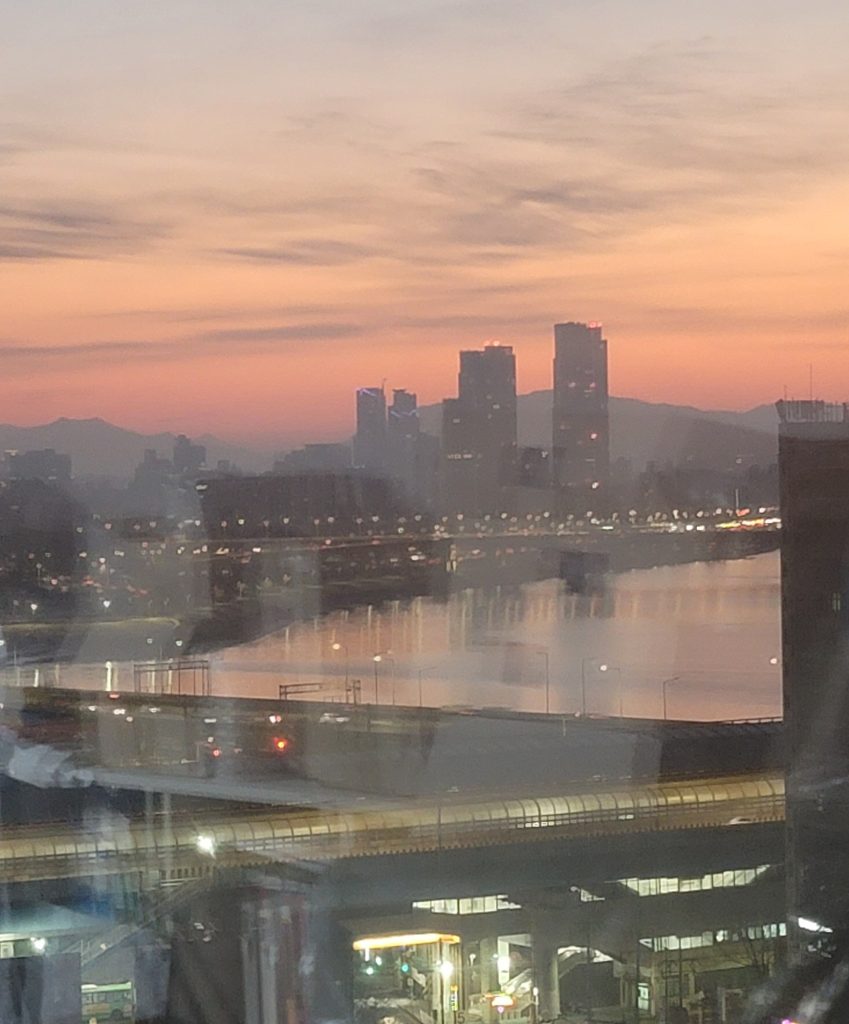
And at sunrise,
the sky above the river
slowly turned red.
Even after we moved
into a much smaller officetel,
I still arranged everything carefully.
The narrow kitchen held
a large oven,
a proofing cabinet,
a kimchi refrigerator,
and a side-by-side fridge
lined up carefully
to save space.
In front of them,
I placed
a cream-white perforated divider
to separate the kitchen
from the living area
without making the space
feel closed off.
Right beside it,
there was a slim narrow table
with two simple chairs
tucked neatly underneath.
My daughter often sat there to eat,
and somehow,
the tiny space
felt like a small café.
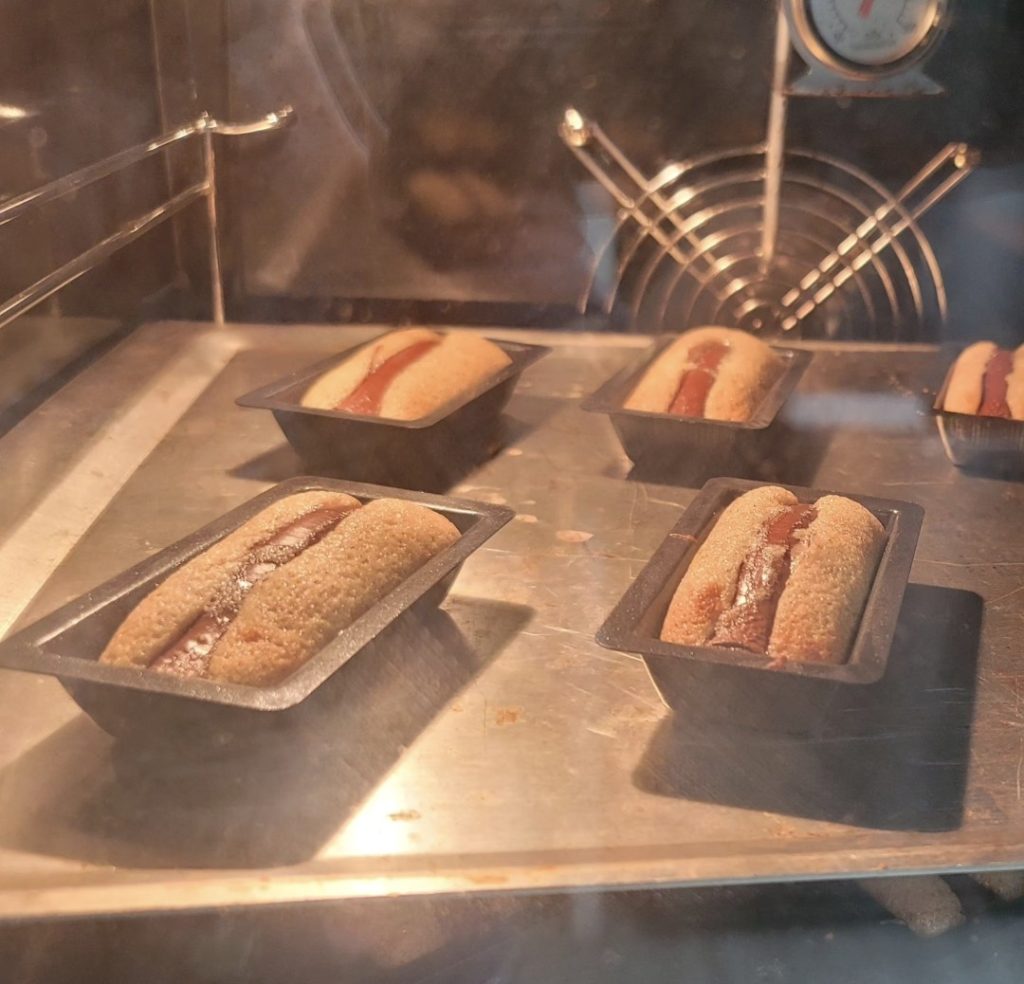
Sometimes,
I baked there,
took photos in the soft light,
and quietly uploaded them
to Instagram.
Somehow,
the small space
flowed surprisingly well.
Working there
required very little energy.
Looking back,
I spent years
trying to make spaces
feel complete.
Balanced.
Warm.
Finished.
At the time,
I didn’t think of it
as pressure.
I simply thought
that was what people did.
Especially women like me.
We adjusted spaces.
Matched things.
Filled corners.
Created a certain atmosphere.
Again and again.
When the House Started Changing Me
But this house
slowly changed me.
Not because I planned it.
Not because I suddenly became
a minimalist.
Actually,
part of it was practical.
We didn’t have extra money
to keep buying things.
And after years of constantly
trying to perfect spaces,
I simply didn’t want
to try so hard anymore.
So little by little,
I stopped filling things.
A Space for Movement
The living room became
less like a room for sitting
and more like
a space for movement.
A place where people walk through.
Where air moves.
Where light enters.
Where someone can quietly stand,
stretch,
or simply pass by.
And strangely,
the more space we left open,
the calmer
the house started to feel.
The more it seemed
to breathe.
Filling Less, Breathing More
There’s still furniture.
A sofa.
A dining table.
A treadmill beside the sofa.
Real life still exists here.
But the spaces between things
became wider.
Softer.
Quieter.
At one point,
my daughter moved the exercise bike
into her own room.
Originally,
I probably would have
filled the empty spot immediately.
A stool.
Another chair.
Another object.
Something to complete the balance.
But this time,
I simply left it empty.
And after a while,
I realized something surprising.
It felt better that way.
Lighter.
More breathable.
Leaving Space Open
The same thing happened
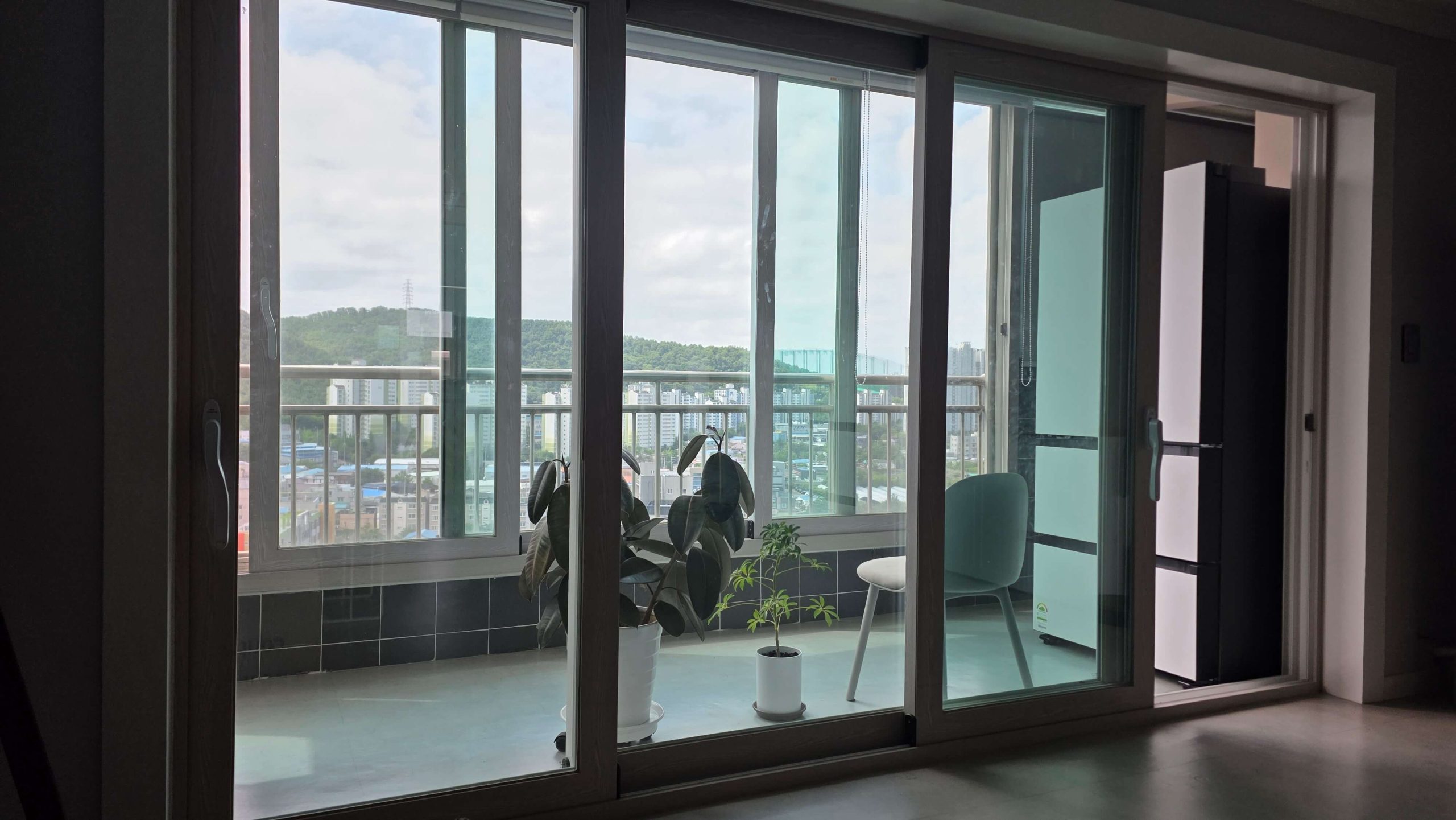
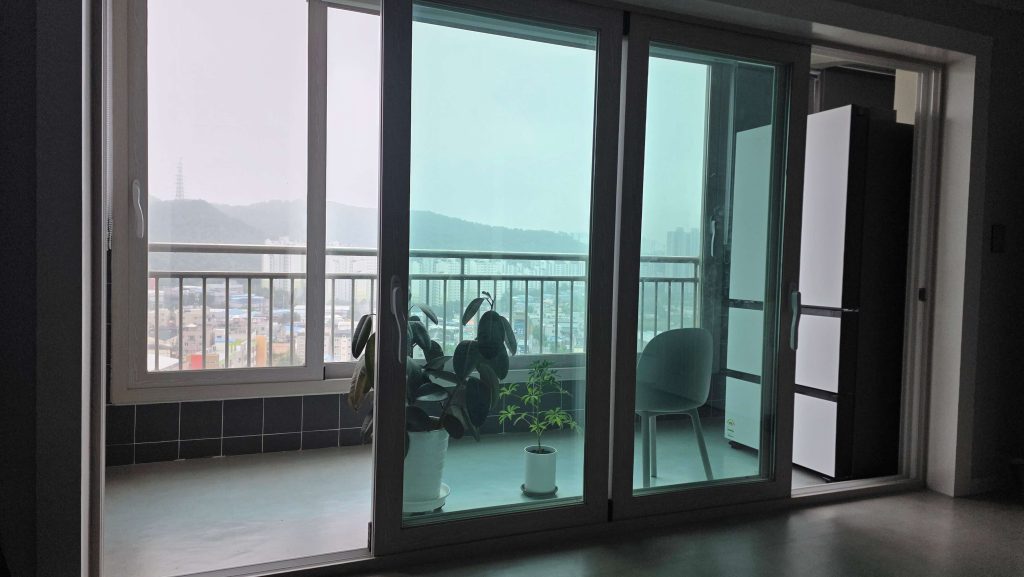
on the veranda.
In our old places,
balconies were filled
with plants.
Now,
there are only two.
One chair.
Open space to walk through.
Open space for sunlight.
Open space for air.
And somehow,
the emptier it became,
the more comfortable
the house started to feel.
There’s also
a corner of the house
that comes into view
the moment we open
the middle entrance door.
In most homes,
people decorate that space immediately.
A cabinet.
A painting.
Flowers.
A lamp.
Something stylish.
Something welcoming.
I almost did the same thing.
I looked at furniture.
Thought about hanging artwork.
Tried to imagine
how to complete the space.
But nothing felt right.
So eventually,
I left it empty too.
And now,
that quiet open corner
has become one of my favorite parts
of the house.
Mid-point
Not every empty space
needs to be filled.
Sometimes,
space itself
becomes part of the comfort.
A House That Breathes
What’s interesting is that
this house itself
isn’t particularly luxurious.
It’s an older rental apartment.
Nothing is perfect.
Nothing looks expensive.
And yet—
when people visit,
they often say
the house feels good.
Clean.
Quiet.
Comfortable.
Calm.
At first,
I didn’t fully understand why.
But now I think I do.
There’s room
for the eyes to rest.
Room for movement.
Room for air.
Room for silence.
In the past,
I thought comfort came
from arranging everything well.
Now,
I think comfort sometimes comes
from leaving certain things alone.
From not forcing completion.
From allowing a space
to stay open.
It Finally Feels Like the House Can Breathe
These days,
when I open the front door,
the house doesn’t feel empty.
It feels calm.
Quiet.
Open.
Nothing feels excessive.
Nothing feels lacking.
Somehow,
the space now feels
just enough.
And maybe that’s why
the moment I walk in,
my body relaxes a little.
It feels like
the house can finally breathe.